
Chiniot: A City of History, Culture, and Craftsmanship
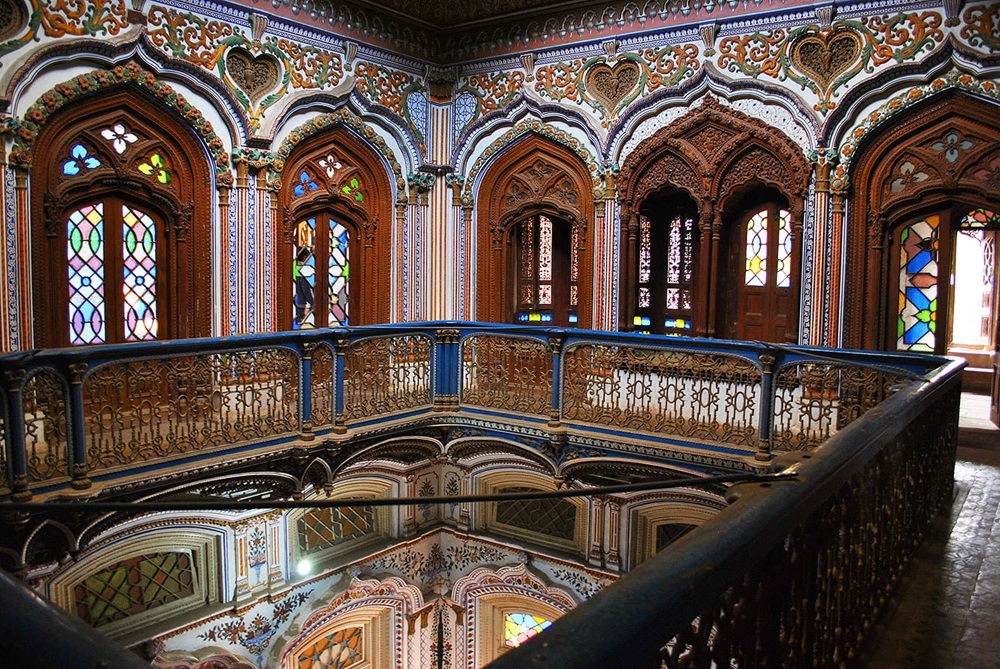
Set along the banks of the Chenab River in Punjab, Chiniot is one of Pakistan’s most fascinating yet often overlooked cities. It is a place where history breathes through carved wooden doors, where centuries-old mosques still stand in quiet dignity, and where craftsmanship is not just a trade but a deeply rooted identity.
Chiniot is not merely a city on the map. It is a living archive of artistic excellence, cultural continuity, and historical depth. To understand Chiniot is to understand how tradition survives, adapts, and continues to shape modern life.
A City Shaped by History
Chiniot’s past stretches back centuries, with traces of ancient civilizations suggesting early human settlement in the region. Its location near the Chenab River made it a natural hub for trade, migration, and cultural exchange. Over time, it absorbed influences from Hindu, Buddhist, and later Islamic traditions, each leaving its imprint on the city’s identity.
During the medieval and Mughal periods, Chiniot gained prominence as a center of architecture and craftsmanship. One of the most iconic landmarks from this era is the Shahi Mosque, believed to have been constructed during the reign of Emperor Shah Jahan. The mosque reflects the elegance of Mughal architecture with its symmetrical design, detailed ornamentation, and spacious courtyard.
Another historical structure, the Bamunwali Mosque, dates back to the 14th century during the Tughlaq period. Its simplicity contrasts with later Mughal designs, yet it holds immense historical value as a reminder of earlier architectural styles.
The city’s historic havelis, especially the famous Umar Hayat Mahal, stand as masterpieces of art and architecture. Built in the early 20th century, it blends traditional craftsmanship with colonial influences, showcasing intricate woodwork, frescoes, and detailed interiors that leave visitors in awe.
The Cultural Soul of Chiniot


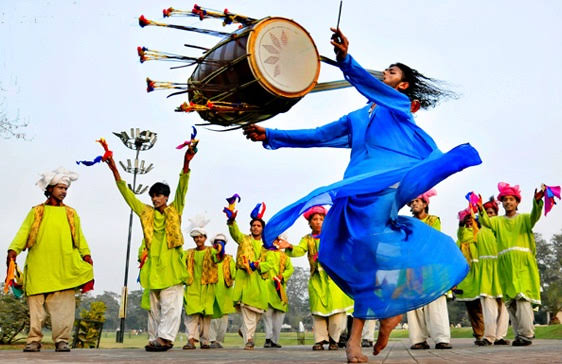
Chiniot’s culture is deeply rooted in tradition, and its people take pride in preserving their heritage. The city is widely known for its woodwork, which is considered among the finest in South Asia. Skilled artisans spend years mastering the craft, producing furniture, doors, and decorative items with extraordinary precision.
The designs often feature floral patterns, geometric arrangements, and intricate carvings inspired by Mughal and Persian aesthetics. What makes Chiniot unique is that this craftsmanship is not confined to workshops. It is visible in homes, mosques, and public buildings throughout the city.
Cultural life in Chiniot is vibrant and expressive. Religious festivals such as Eid are celebrated with enthusiasm, featuring community gatherings, traditional music, and local customs passed down through generations. Weddings and village fairs also serve as important cultural expressions, where music, dance, and storytelling bring communities together.
Landmarks and Attractions


Chiniot offers a range of historical and natural attractions that reflect its diverse character:
- Shahi Mosque: A stunning example of Mughal architecture, known for its artistic details and spiritual atmosphere.
- Bamunwali Mosque: A 14th-century structure that highlights early Islamic architectural styles in the region.
- Umar Hayat Mahal: Often described as a “fairy-tale palace,” this haveli is a must-visit for its elaborate interiors and craftsmanship.
- Traditional Havelis: Scattered across the city, these homes showcase fresco paintings, carved balconies, and spacious courtyards.
- Chenab River: The riverbank offers a serene escape, where visitors can enjoy natural beauty and peaceful surroundings.
Economy: Where Craft Meets Livelihood
Chiniot’s economy is closely tied to its traditions. Agriculture remains an important sector, with crops such as wheat, sugarcane, cotton, and citrus fruits cultivated in the surrounding areas.
However, the true economic backbone of the city lies in its wood industry. Chiniot’s handcrafted furniture is recognized not only across Pakistan but also in international markets. Export-quality products from this city reflect a blend of heritage and innovation, contributing significantly to local livelihoods.
Generations of families are involved in this craft, making it both an economic activity and a cultural inheritance.
A Taste of Chiniot


Food in Chiniot is rich, flavorful, and deeply traditional. The city is especially known for its hearty meat dishes:
- Beef and Mutton Karahi: Cooked with bold spices and generous oil, these dishes are a local favorite.
- Sooji Kheer: A sweet delicacy often prepared during festive occasions.
- Tandoori Roti: Freshly baked in clay ovens, it complements almost every meal.
- Jalebi: A popular street sweet, crispy on the outside and soaked in sugar syrup.
Language, Dress, and Music
Punjabi is the primary language spoken in Chiniot, reflecting the region’s cultural identity. Urdu is also widely used, particularly in education and business settings.
Traditional attire remains an important part of daily life. Men commonly wear kurta pajama, while women wear shalwar kameez in vibrant colors and designs that reflect local aesthetics.
Music plays a vital role in cultural expression. Qawwali, Punjabi folk songs, and regional dances are commonly performed at weddings and festivals. These musical traditions carry stories of love, spirituality, and everyday life.
Notable Personalities
Chiniot has produced individuals who have contributed to literature, religion, and public life. Among them:
- Syed Ziauddin: A historian and writer known for documenting regional history.
- Qazi Hussain Ahmad: A prominent political figure and former leader of Jamaat-e-Islami.
- Khwaja Ataullah: A respected Islamic scholar and jurist.
A Living Legacy
Chiniot stands as a remarkable example of how history, culture, and craftsmanship can coexist and reinforce one another. From its ancient roots to its modern identity, the city continues to preserve its traditions while adapting to changing times.
What makes Chiniot truly special is not just its architecture or its artisans, but the spirit of its people. Their dedication to preserving their heritage ensures that Chiniot remains not only relevant but also inspiring.
As Pakistan continues to grow and evolve, cities like Chiniot remind us of the importance of cultural identity. They show that progress does not mean leaving the past behind, but rather carrying it forward with pride and purpose.
The views expressed in this article are solely those of the author and do not necessarily reflect the views of The Opinion Desk.