
Education Beyond Grades: Rethinking Success in Education Through SDG 4
Education is widely recognised as the foundation of personal development, social transformation, and national progress. Across the world, millions of children and young people enter classrooms hoping to gain knowledge, develop their abilities, and build better futures. Governments invest in education, parents sacrifice to support their children’s learning, and students work hard to achieve academic excellence. Yet, an important question deserves global attention: Does failing an examination mean failing in life?
In my opinion, absolutely not. Education should be understood beyond exam results because academic performance alone cannot measure an individual’s full potential, intelligence, creativity, and abilities. Although examinations play an important role in evaluating academic progress, they should never become the ultimate definition of someone’s worth or future.
This brings up an important question: Have we grown so preoccupied with creating exam-ready students that we occasionally lose sight of the true goal of education?In actuality, each learner is unique. People differ in their interests, skills, learning preferences, experiences, and opportunities. While some kids show exceptional skills in leadership, entrepreneurship, technology, communication, creativity, athletics, and real-world problem-solving, others thrive in math, science, and languages. These skills are equally crucial to the development of people and civilizations. All of these aspects of human potential, however, might not be sufficiently acknowledged by conventional testing methods
Think of a student who does poorly on an exam but has great leadership qualities, comes up with creative ideas, plans community projects, or exhibits amazing practical skills. Is it appropriate to label that person as a failure? It would be unfair, in my opinion. Such a learner might have traits that are useful in solving social issues, generating jobs, and advancing both domestic and international development. Exams can gage a person’s level of intellectual comprehension, but they can’t gage their full potential.
This does not mean that examinations should be abandoned or that academic excellence is unimportant. Rather, examinations should be viewed as one component of a broader educational assessment system. They can help teachers evaluate understanding, identify learning difficulties, and monitor academic progress. However, they should complement other methods of assessment, including practical projects, presentations, research, creativity, collaboration, and community engagement.
This viewpoint is directly related to Sustainable Development Goal 4 (SDG 4), which seeks to guarantee inclusive, equitable, high-quality education and encourage opportunities for lifelong learning for everyone. SDG 4 serves as a reminder that a high-quality education involves more than just getting kids into school and helping them get good marks. It is about making sure that every student has worthwhile chances to learn new things, pick up skills, find their abilities, and contribute constructively to society.
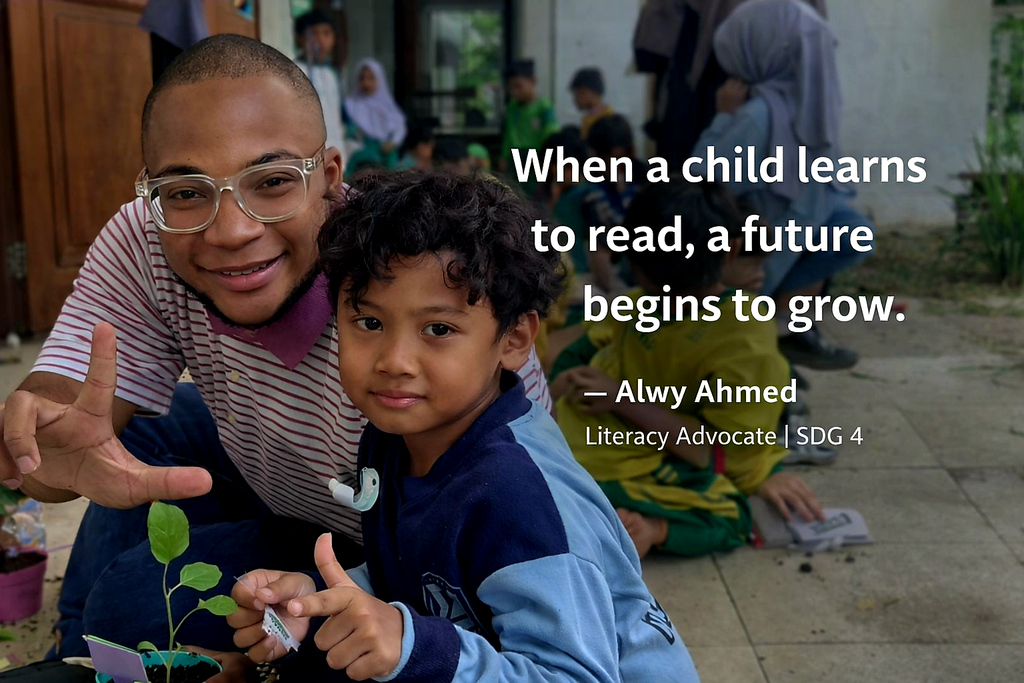
Achieving this vision requires collective responsibility. Teachers must create inclusive learning environments that recognise individual differences and encourage learners to develop their strengths. Parents should support their children through both academic achievements and setbacks, avoiding comparisons that damage confidence. Educational institutions and policymakers must strengthen career guidance, technical and vocational education, digital literacy, practical learning, and alternative pathways for learners with different interests and abilities.
canvas
Additionally, it is the obligation of students to understand that academic failure does not mean the end of their educational path. A disappointed outcome should be used as a chance for introspection, development, and progress. People don’t always reach their goals in the same manner, and success isn’t always instantaneous. Throughout life, constant learning, perseverance, self-control, and a readiness to pick up new abilities are crucial.
We need to reconsider the definition of educational success as the world moves closer to attaining SDG 4. A system of education that solely recognizes students with the best test scores runs the risk of ignoring students whose potential could be realized through other experiences and opportunities.We need systems that recognise academic knowledge while also nurturing creativity, critical thinking, emotional intelligence, practical competencies, and responsible citizenship.
In the end, I think that a poor academic performance should never become a permanent barrier to someone’s career, and a failed exam should never become a failed identity. A single test can gage performance at a specific point in time, but it is unable to assess a person’s entire potential.Instead of being a system that confines people to their test scores, education should be a means of unlocking potential. Let’s construct educational institutions that acknowledge each learner’s potential, offer second chances, and foster possibilities for lifelong development as we strive toward a more inclusive and fair world. Because education should not merely prepare people to pass examinations; it should empower them to succeed in life and contribute meaningfully to society.
The views expressed in this article are solely those of the author and do not necessarily reflect the views of The Opinion Desk.
